Thursday, June 8, 2023

Celebrating World Oceans Day: Preserving Our Blue Planet

World Oceans Day is a global observance held annually on June 8th to raise awareness about the crucial role that oceans play in sustaining life on Earth. Our planet's oceans cover over 70% of its surface, regulate the climate, provide a habitat for countless species, and offer numerous resources that support human societies worldwide. However, these vital ecosystems face numerous challenges, such as pollution, overfishing, and climate change. On this World Oceans Day, let us reflect on the importance of our oceans and renew our commitment to protecting and preserving them for future generations.


1]Understanding the Significance of Oceans:
The oceans are often referred to as the "lungs of the Earth" due to their role in producing oxygen and absorbing carbon dioxide. They are home to an incredible diversity of marine life, from microscopic plankton to majestic whales. Oceans also serve as a primary source of food, income, and transportation for billions of people around the world. Furthermore, they influence weather patterns, regulate temperature, and contribute to the water cycle, making them an essential component of the planet's overall stability.


2]Challenges Facing Our Oceans:

1). Pollution: Plastic waste, oil spills, and chemical pollutants threaten the health of marine ecosystems and endanger marine species. The accumulation of plastic debris, in particular, has become a pervasive problem, causing harm to marine life and entering the human food chain.

2). Overfishing:
Unsustainable fishing practices, including illegal, unreported, and unregulated fishing, have depleted fish populations, disrupted marine food webs, and harmed ecosystems. Implementing responsible fishing practices and establishing marine protected areas are crucial to ensure the long-term viability of fisheries.

3). Climate Change:
Rising sea temperatures, ocean acidification, and sea-level rise, all resulting from climate change, pose severe risks to marine life and coastal communities. Coral reefs, often called the "rainforests of the sea," are particularly vulnerable, with widespread coral bleaching events occurring due to warmer waters.


3]Promoting Ocean Conservation:

1). Reduce Plastic Pollution: Individuals, businesses, and governments must work together to reduce single-use plastics, promote recycling, and develop alternative packaging materials. Supporting initiatives like beach clean-ups and advocating for policies that combat plastic pollution are essential steps.


2). Sustainable Fishing Practices: Consumers can make informed choices by opting for sustainably sourced seafood and supporting fisheries that follow responsible fishing practices. Governments and international bodies need to enforce regulations that protect fish stocks and ecosystems.


3). Marine Protected Areas: Establishing and effectively managing marine protected areas can help safeguard marine biodiversity and habitats. These areas act as sanctuaries where ecosystems can recover and thrive, ensuring the long-term health of our oceans.


4). Climate Action: Addressing climate change is crucial for protecting our oceans. Reducing greenhouse gas emissions, transitioning to renewable energy sources, and promoting sustainable land and ocean management practices are essential to mitigate the impacts of climate change on marine ecosystems.


*Conclusion:*
World Oceans Day serves as a reminder of our shared responsibility to preserve the health and vitality of our oceans. By understanding their significance and the challenges they face, we can take collective action to protect and restore these vital ecosystems. Through individual choices, community engagement, and international cooperation, we can ensure a sustainable future for our oceans and the countless species that call them home. Let us celebrate World Oceans Day by committing ourselves to be stewards of our blue planet, working towards a healthier and more resilient ocean environment for generations to come.


By-Tanishq Deshmukh

8 June 2023

Wednesday, June 7, 2023

These are the longest rivers in world


1)Nile River: Located in Africa, it is traditionally considered the longest river in the world, stretching approximately 6,650 kilometers (4,130 miles) from its source in Burundi to its mouth in Egypt, where it empties into the Mediterranean Sea.


2)Amazon River: Situated in South America, the Amazon River is the largest river in terms of discharge and one of the longest. It runs for about 6,400 kilometers (3,977 miles) from its source in the Andes Mountains of Peru to its outlet in the Atlantic Ocean.


3)Yangtze River (Chang Jiang): Found in China, the Yangtze River is the longest river in Asia and the third-longest in the world. It spans approximately 6,300 kilometers (3,915 miles) from its source in the Tibetan Plateau to its mouth at the East China Sea.


4)Mississippi-Missouri River System: This river system in North America combines the Mississippi River, which originates in Minnesota, and the Missouri River, which begins in Montana. The combined length of these rivers is approximately 6,275 kilometers (3,902 miles), making it one of the longest river systems in the world.


5)Yenisei-Angara-Lena River System: Located in Russia, this river system consists of the Yenisei River, the Angara River (which is a tributary of the Yenisei), and the Lena River. The total length of these rivers combined is about 5,539 kilometers (3,445 miles).

*Important Images*
               Nile river from space 

           Amazon river from space 

                  Yangtze River map 

      Mississippi-Missouri River System


       Yenisei-Angara-Lena River map 

By-Tanishq Deshmukh

7 June 2023

Monday, June 5, 2023

FUTURE OF TECHNOLOGY


The future of technology is likely to be marked by remarkable advancements and transformative changes across various fields. Here are some key areas where we can expect significant developments:


1)Artificial Intelligence (AI): AI will continue to evolve and have a profound impact on numerous industries and aspects of our lives. Advancements in machine learning, deep learning, and neural networks will lead to more sophisticated AI systems capable of complex decision-making, natural language processing, and advanced pattern recognition.


2)Internet of Things (IoT): The IoT will become even more pervasive as more devices and objects are connected to the internet, enabling seamless communication and data sharing. This interconnectedness will revolutionize industries such as healthcare, transportation, energy management, and smart homes, where devices and systems will work together to enhance efficiency and convenience.


3)5G and Next-Generation Connectivity: The deployment of 5G networks will enable faster and more reliable wireless connectivity, supporting a range of emerging technologies. This will facilitate the widespread adoption of IoT devices, autonomous vehicles, virtual reality (VR), augmented reality (AR), and other data-intensive applications.


4)Blockchain Technology: Blockchain, the underlying technology of cryptocurrencies like Bitcoin, holds immense potential beyond finance. It can revolutionize various sectors, including supply chain management, healthcare, voting systems, and digital identities, by providing secure and transparent transactions and data storage.


5)Quantum Computing: Quantum computing has the potential to solve complex problems that are currently intractable for classical computers. As the technology matures, we can expect significant advancements in areas such as cryptography, optimization, drug discovery, and material science, with profound implications for various industries.


6)Augmented Reality (AR) and Virtual Reality (VR): AR and VR technologies will continue to evolve, transforming how we interact with digital information and our physical surroundings. From immersive gaming experiences to enhanced training simulations, these technologies will find applications in entertainment, education, healthcare, architecture, and more.


7)Sustainable Technologies:With increasing concerns about climate change and environmental sustainability, technology will play a crucial role in developing clean energy sources, reducing carbon emissions, and creating sustainable solutions. Advancements in renewable energy, energy storage, electric vehicles, and green materials will contribute to a more sustainable future.


8)Robotics and Automation: Robotics will advance further, enabling the automation of complex and physically demanding tasks across various industries. Collaborative robots (cobots) will work alongside humans in manufacturing, healthcare, agriculture, and other sectors, enhancing productivity, efficiency, and safety.

It's important to note that the future of technology is influenced by a range of factors, including scientific discoveries, economic considerations, societal needs, and ethical considerations. Striking a balance between technological progress and the well-being of individuals and the planet will be crucial for shaping a positive future.


*Blogs realted to this blogs*


By- Tanishq Deshmukh

5 June 2023

Saturday, June 3, 2023

The power of your subconscious mind

Subconscious Mind's Powerful Potential
The power of the subconscious mind refers to the immense potential and influence that our subconscious mind has on our thoughts, beliefs, behaviors, and overall well-being. It is a concept often associated with the field of psychology and personal development.


The subconscious mind can be thought of as the underlying part of our mind that operates below the level of conscious awareness. While the conscious mind is responsible for logical thinking and decision-making, the subconscious mind is responsible for storing and processing information, as well as controlling our automatic behaviors and responses.

Here are a few key points about the power of the subconscious mind:

1)Belief System: The subconscious mind is heavily influenced by our beliefs and perceptions, which are often formed through our experiences, upbringing, and cultural conditioning. These beliefs can shape our thoughts and behaviors without us consciously realizing it. Positive beliefs can empower us, while negative beliefs can hold us back.


2)Visualization and Imagination: The subconscious mind responds strongly to vivid visualization and imagination. By mentally rehearsing positive outcomes or visualizing desired goals, we can program our subconscious mind to work towards achieving them.

3)Emotional Influence:Emotions have a strong impact on the subconscious mind. Negative emotions such as fear, anxiety, or anger can trigger stress responses and limit our potential. On the other hand, cultivating positive emotions such as love, gratitude, and joy can help create a more empowering and supportive subconscious state.

4)Habit Formation: The subconscious mind plays a significant role in the formation and execution of habits. By repeating certain behaviors consistently, they can become automatic and ingrained in the subconscious mind. This is why it can be challenging to break bad habits or adopt new ones, as they require reprogramming the subconscious mind.

5)Problem-Solving and Intuition: The subconscious mind can work on problem-solving even when we are not actively thinking about it. Have you ever experienced suddenly coming up with a solution or idea seemingly out of nowhere? That's the power of the subconscious mind at work. It can process information and provide insights beyond our conscious awareness.

6)Mind-Body Connection: The subconscious mind is closely linked to the body, and it can influence our physical health and well-being. For example, stress and negative emotions can manifest as physical symptoms or ailments. By cultivating a positive mindset and using techniques like visualization and affirmation, we can positively impact our overall health.

7) Important Note
It's important to note that while the subconscious mind is powerful, it's not a magical solution for all problems. It works in conjunction with conscious effort, self-reflection, and personal growth practices. Techniques like meditation, hypnosis, affirmations, and mindfulness can help access and harness the power of the subconscious mind for personal development and positive change.


*Topic related to this topic by Tanishq Deshmukh*

By-Tanishq Deshmukh

3 June 2023

Thursday, June 1, 2023

This books you should read to become Successful


1)"Think and Grow Rich" by Napoleon Hill:
This classic self-help book focuses on the power of positive thinking and the mindset required for success in any endeavor.


2)"The 7 Habits of Highly Effective People" by Stephen R. Covey: 
This book offers a holistic approach to success by outlining seven habits that can transform your personal and professional life.


3)"How to Win Friends and Influence People" by Dale Carnegie: 
Provides timeless advice on building relationships, influencing others, and improving communication skills.


4)"The Lean Startup" by Eric Ries: Offers strategies for launching and managing successful startups by embracing continuous innovation and feedback.


5)"The Power of Now" by Eckhart Tolle: Discusses the importance of living in the present moment and cultivating mindfulness for personal transformation.


6)"Outliers: The Story of Success" by Malcolm Gladwell: Examines the factors that contribute to exceptional success and the role of opportunity, practice, and cultural factors.


7)"Mindset: The New Psychology of Success" by Carol S. Dweck: Explores the concept of mindset and how adopting a growth mindset can lead to greater success and fulfillment.


8)"The Alchemist" by Paulo Coelho: A novel that follows a young shepherd's journey towards self-discovery, purpose, and the pursuit of one's dreams.


9) "The 4-Hour Workweek" by Timothy Ferriss: Provides strategies for escaping the traditional 9-to-5 workweek and creating a lifestyle focused on personal freedom and efficiency.


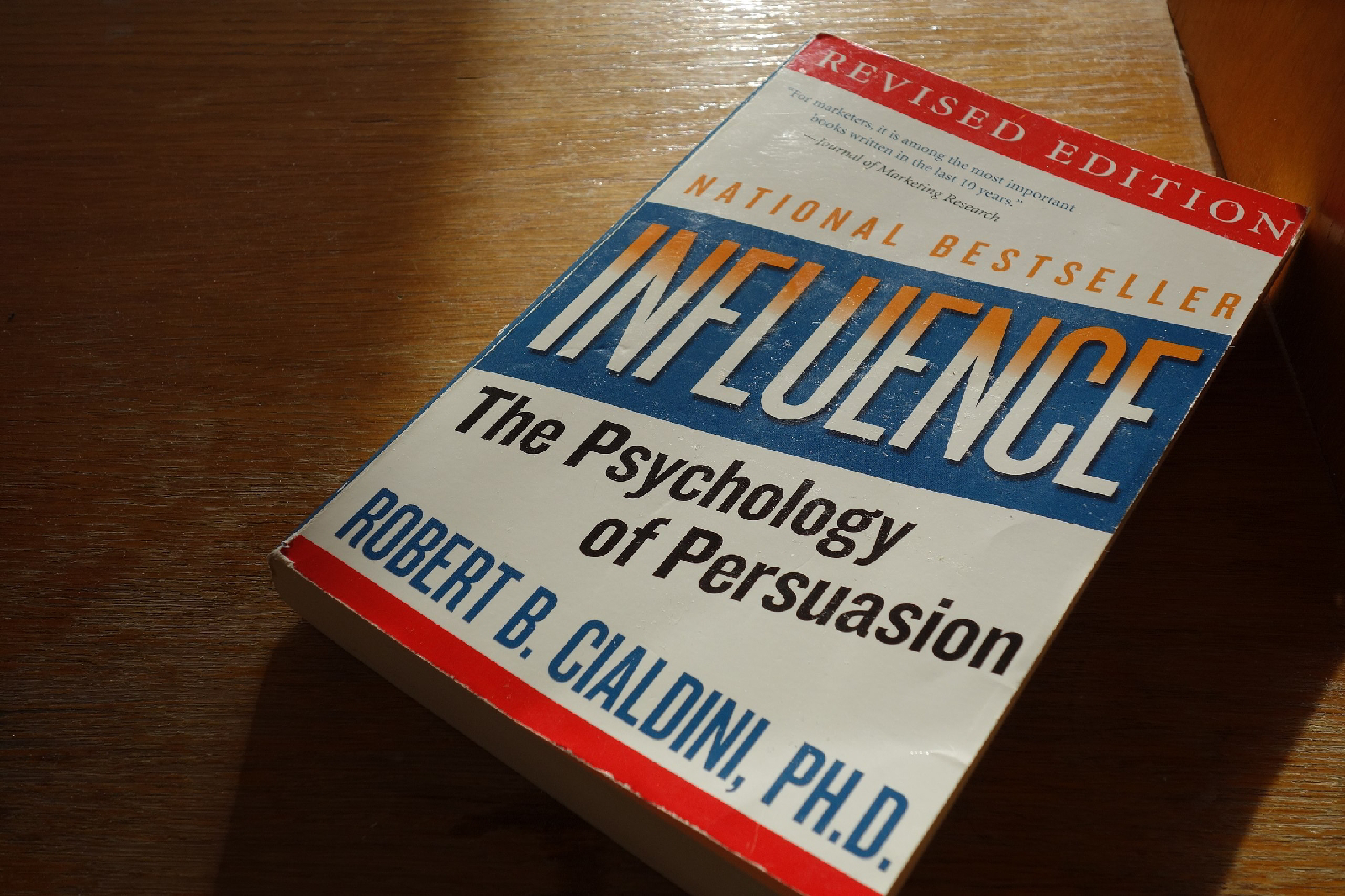
10)"Influence: The Psychology of Persuasion" by Robert B. Cialdini:
Examines the principles of persuasion and how to ethically influence others in various situations.


These books cover a range of topics including personal development, mindset, entrepreneurship, leadership, and interpersonal skills. Reading them can provide valuable insights and strategies for achieving success in different areas of life.


*Blogs related to this topic by Tanishq Deshmukh*


By- Tanishq Deshmukh

2 June 2023

Mission: Chandrayaan 3

In this blog you will get information about Chandrayaan 3 rocket, it's purpose ,which rocket is used, which engine are power...