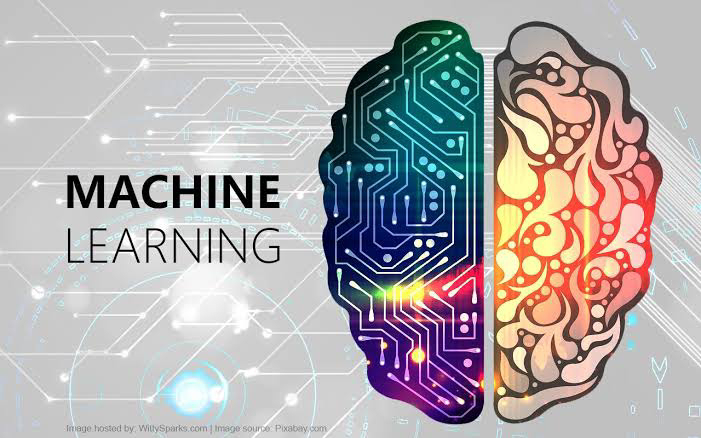
1)Artificial Intelligence (AI):
 AI will continue to evolve and have a profound impact on numerous industries and aspects of our lives. Advancements in machine learning, deep learning, and neural networks will lead to more sophisticated AI systems capable of complex decision-making, natural language processing, and advanced pattern recognition.
2)Internet of Things (IoT):
 The IoT will become even more pervasive as more devices and objects are connected to the internet, enabling seamless communication and data sharing. This interconnectedness will revolutionize industries such as healthcare, transportation, energy management, and smart homes, where devices and systems will work together to enhance efficiency and convenience.
3)5G and Next-Generation Connectivity:
 The deployment of 5G networks will enable faster and more reliable wireless connectivity, supporting a range of emerging technologies. This will facilitate the widespread adoption of IoT devices, autonomous vehicles, virtual reality (VR), augmented reality (AR), and other data-intensive applications.
4)Blockchain Technology:
 Blockchain, the underlying technology of cryptocurrencies like Bitcoin, holds immense potential beyond finance. It can revolutionize various sectors, including supply chain management, healthcare, voting systems, and digital identities, by providing secure and transparent transactions and data storage.
5)Quantum Computing:
 Quantum computing has the potential to solve complex problems that are currently intractable for classical computers. As the technology matures, we can expect significant advancements in areas such as cryptography, optimization, drug discovery, and material science, with profound implications for various industries.
6)Augmented Reality (AR) and Virtual Reality (VR):
 AR and VR technologies will continue to evolve, transforming how we interact with digital information and our physical surroundings. From immersive gaming experiences to enhanced training simulations, these technologies will find applications in entertainment, education, healthcare, architecture, and more.
7)Sustainable Technologies:
 With increasing concerns about climate change and environmental sustainability, technology will play a crucial role in developing clean energy sources, reducing carbon emissions, and creating sustainable solutions. Advancements in renewable energy, energy storage, electric vehicles, and green materials will contribute to a more sustainable future.
8)Robotics and Automation:
 Robotics will advance further, enabling the automation of complex and physically demanding tasks across various industries. Collaborative robots (cobots) will work alongside humans in manufacturing, healthcare, agriculture, and other sectors, enhancing productivity, efficiency, and safety.
It's important to note that the future of technology is influenced by a range of factors, including scientific discoveries, economic considerations, societal needs, and ethical considerations. Striking a balance between technological progress and the well-being of individuals and the planet will be crucial for shaping a positive future.
*Blogs realted to this blogs*
By- Tanishq Deshmukh
5 June 2023